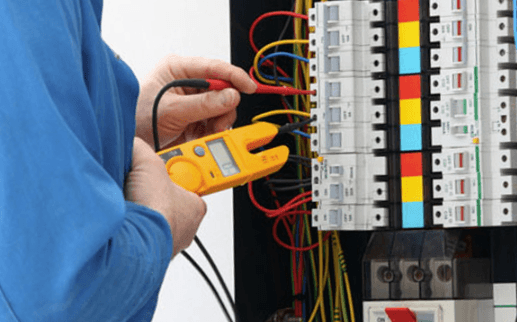

Looking for an “electrical panel upgrade near me” means you likely want safer, more reliable power right away. Upgrading your electrical panel prevents overloads, supports modern appliances, and reduces fire risk — a licensed electrician can assess your needs and complete the upgrade safely.
In Electrical Panel Upgrade Near Me You’ll learn how an upgrade improves capacity and efficiency, what signs tell you it’s time to act, and what to expect from professional installers. This article walks through practical benefits and helps you choose qualified local electricians so you can make an informed, confident decision.
Benefits of Electrical Panel Upgrades
Upgrading your electrical panel improves safety, increases capacity for modern appliances, and can raise resale value. It also reduces fire risk by replacing worn components and meeting current electrical codes.
Enhanced Safety and Code Compliance
You get a panel built to handle today’s electrical loads and wiring standards, which reduces overloads and short-circuit risks. Modern panels include updated breakers, grounding, and surge protection options that older panels often lack.
If your home still has a fused or two-prong system, an upgrade brings it into current code, which inspectors require for many renovations or sales. A licensed electrician will install correct grounding, labeled circuits, and AFCI/GFCI protection where required, lowering shock and arc-fault hazards.
Upgrading also replaces corroded bus bars and worn breakers that can fail unpredictably. That reduces nuisance trips and the chance of latent faults that lead to bigger electrical problems later.
Increased Home Value
A 100–200 amp panel upgrade provides a clear, documentable improvement to buyers and appraisers. You can show inspection reports and permits that prove the electrical system meets current standards.
Homes with documented electrical upgrades often close faster and with fewer buyer requests for repairs. Newer panels support kitchen or HVAC upgrades, which buyers specifically look for when assessing long-term reliability.
You should expect to recover a significant portion of the upgrade cost through increased buyer confidence and fewer negotiation credits during sale. Real-estate listings that mention a 200 amp service or updated breaker box attract more qualified offers.
Support for Modern Electrical Demands
Today’s homes use more power for EV chargers, smart HVAC, home offices, and entertainment systems. Upgrading to a higher-capacity panel (commonly 200 amps) provides headroom for these loads without constant breaker trips.
A new panel lets you add dedicated circuits for appliances like ranges, dryers, heat pumps, or electric vehicle chargers. That ensures each device gets the amperage it needs and prevents shared-circuit overloads that damage motors and electronics.
You can also integrate modern features such as subpanel feeds, load centers for solar inverters, and smart breakers that offer remote monitoring. These options make future upgrades simpler and less costly.
Reducing Risk of Electrical Fires
Older panels with aluminum wiring, overloaded breakers, or vintage designs like Federal Pacific or Zinsco show higher failure rates. Replacing them removes components known to overheat and arc under load.
A new panel installation corrects poor connections and loose terminals—common sources of heat buildup. Proper torque on bus connections and modern breaker designs reduce hotspots that start fires.
Routine inspection during an upgrade catches hidden issues like damaged insulation or backstabbed outlets, allowing you to address them immediately. That targeted remediation lowers the probability of fire and improves overall system reliability.
See also: How Trusted Company Setup Consultants Simplify Business Growth
Choosing Professional Electrical Panel Upgrade Services
You want a safe, code-compliant panel upgrade done on schedule and within budget. Focus on verified credentials, a clear work plan, and transparent pricing when comparing local electricians.
Factors to Consider When Selecting a Local Electrician
Check license and insurance first. Confirm the electrician’s state license number and that they carry general liability and worker’s compensation insurance; ask for copies or an online verification link.
Look for experience with panel upgrades and specific equipment. Ask how many 100→200A or fuse-to-breaker upgrades they’ve completed in the last year and whether they work with the panel brand you have (e.g., Square D, Eaton, Siemens).
Read recent reviews and request references. Prioritize jobs in homes similar to yours and contact at least two past clients about schedule, cleanliness, and whether the estimate matched the final invoice.
Get a written estimate and scope of work. The estimate should list parts (main breaker, subpanels, grounding), permit fees, labor hours, and any required meter or service changes. Verify who pulls permits and schedules inspections.
Confirm warranty and post-job support. Ask about labor warranties, manufacturer part warranties, and how they handle code-fail corrections found at inspection.
What to Expect During the Upgrade Process
Expect an initial on-site assessment to confirm service capacity, wire condition, and meter compatibility. The electrician should test existing circuits and identify required grounding or service mast work.
Permits and inspections typically follow assessment. Your electrician usually pulls the permit, schedules the utility company if meter work is needed, and arranges the city inspection after installation.
Prepare for a power outage during the swap. Most upgrades require shutting off power for several hours; plan for refrigeration, medical devices, and job-site safety. Ask if they provide temporary power solutions for critical needs.
On install day, the crew will remove the old panel, install the new panel or subpanel, upgrade grounding/bonding, and re-label circuits. Expect a final inspection and a walkthrough showing new breaker labels and paperwork, including the permit sign-off.
Typical Costs and Financing Options
Typical costs vary by home and region. A basic panel replacement (like a 100A direct swap) often ranges from $1,200–$2,500. Upgrading to 200A with service entrance work commonly falls between $2,000–$4,500 or more when meter or service mast replacement is required.
Cost drivers include amperage increase, number of circuits, utility company fees, accessibility, and required upgrades to grounding or service equipment. Older homes often need additional wiring or corrective work, which raises labor hours and permit costs.
Ask about payment options and financing. Many contractors accept credit cards, checks, and offer in-house payment plans or third-party financing. Request APR, term length, and total repayment examples before you sign.
Request a clear invoice. It should separate parts, labor, permit fees, and any subcontractor charges so you can compare bids and avoid surprise add-ons.


 By
By