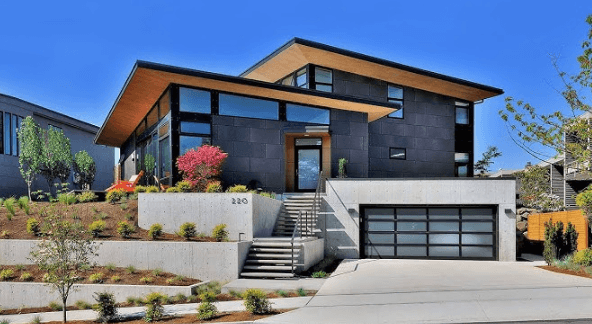

Facade panels transform a building’s look and performance without requiring a full rebuild. You’ll learn how different materials—metal, stone, wood, glass, and composites—affect durability, maintenance, and style so you can pick the right option for your project.
Choose facade panels exteriors that match your climate, budget, and maintenance tolerance to get a durable, attractive exterior that performs well for years. This article explains what facade panels are, how they function on exterior walls, and what to consider during design and installation so you make informed choices.
Understanding Facade Panels for Exteriors
Facade panels protect the building envelope, control water and air infiltration, and define the visual character of your project. They vary by material, performance (thermal, fire, moisture), and attachment method, which determines installation speed and long-term maintenance needs.
Types of Facade Panels
You can choose from metal, composite, glass, stone, wood, and high-performance engineered panels. Metal panels include aluminum and steel; they offer thin profiles, lightweight support, and options for rainscreen or through-fastened systems. Composite panels, such as aluminium composite panels (ACP), pair metal skins with a core for stiffness and creative shapes.
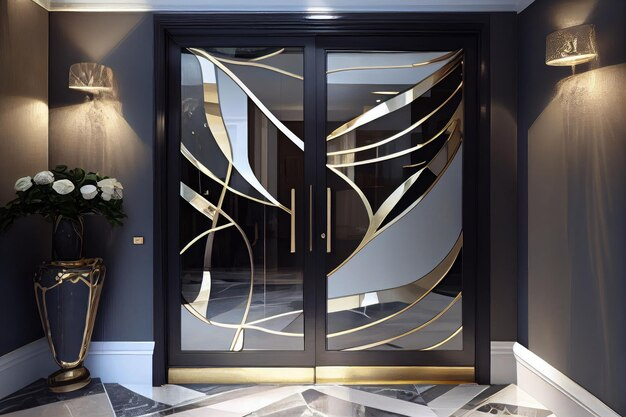
Glass panels deliver transparency and daylighting; they require careful thermal and structural design. Natural stone and thin stone veneer provide durability and a premium finish but need heavier supporting structure.
Wood and engineered wood panels offer warmth and sustainable appeal but demand careful detailing for moisture control and fire treatment. High-performance cladding (fiber-reinforced, fiber-cement, or mineral-based) balances durability, low maintenance, and a range of finishes.
Benefits of Exterior Facade Panels
You gain weather protection, thermal performance improvements, and aesthetic flexibility by specifying the right panels. Facade panels create a continuous rain screen or ventilated cavity that manages moisture and reduces risk of water ingress.
Energy performance improves when panels integrate insulation or allow for an insulated air gap, lowering heating and cooling loads. Panels also simplify renovation — you can retrofit modern cladding over existing façades to update appearance and performance.
Durability and maintenance differ by material; for example, metal and composite panels resist fading and require minimal cleaning, while natural materials may need periodic treatment.
Comparing Facade Panel Materials
Consider a quick comparison to match materials to project priorities:
- Metal (aluminum/steel): Lightweight, recyclable, thin profiles, fast install; check corrosion resistance and thermal bridging.
- Composite (ACP): High formability, consistent finish, fast installation; verify core fire rating and edge sealing.
- Glass: Excellent daylighting and view; requires thermal breaks, careful anchorage, and shading strategies.
- Stone: Long lifespan and premium texture; needs strong support and skilled installation.
- Wood/Engineered wood: Aesthetic warmth and sustainability; requires moisture detailing and fire treatment.
- High-performance fiber/mineral panels: Low maintenance, good impact resistance, broad finishes; consider weight and substrate compatibility.
Match material to your priorities: fire code, thermal targets, budget, aesthetic goals, and expected maintenance. Use the table below to weigh typical trade-offs quickly.
| Material | Strengths | Limitations |
| Aluminum/Steel | Lightweight, durable, recyclable | Thermal bridging, corrosion in some environments |
| ACP/Composite | Formable, consistent finish, cost-effective | Core fire performance concerns |
| Glass | Daylight, transparency | Thermal control, structural framing needs |
| Stone | Durable, premium look | Heavy, higher installation cost |
| Wood | Warmth, renewable options | Moisture and fire vulnerability |
| Fiber/mineral | Low maintenance, robust | Weight and substrate requirements |
Choose panels based on code, climate, and the specific performance you need rather than aesthetics alone.
Design and Installation of Facade Panels
You will choose panels that meet aesthetic, structural, and performance requirements while planning attachment, insulation, and weatherproofing details. Proper coordination with the building envelope, substrate, and trades ensures predictable performance and simplifies installation.
See also: Adu Grants Ontario: How to Qualify and Maximize Funding
Modern Architectural Applications
You can use metal, ceramic, composite, stone, or BIPV panels to achieve specific visual and performance goals. Metal systems (aluminum or steel) suit sharp lines and rainscreen applications; large-format sintered porcelain or thin stone panels create a monolithic look with fewer joints.
Specify panel size, finish, and edge treatment to match wind-load limits and transport constraints. Large panels reduce visible joints but increase handling and anchorage demands.
Integrate insulation and vapor control behind the panels; many projects use continuous mineral wool or rigid foam to meet thermal and fire requirements.
Coordinate window, parapet, and expansion joint detailing early. Fabrication tolerances, anchor locations, and mock-ups prevent on-site adjustments and preserve the intended aesthetic.
Installation Methods and Best Practices
Select an attachment strategy — rainscreen with clip-and-rail, through-fixed anchors, or stick-built curtain wall — based on material, panel weight, and service loads. Use stainless or corrosion-resistant anchors and fasteners sized for calculated wind and seismic loads.
Install a continuous drainage plane and flashing at transitions; ensure overlaps and sealants follow manufacturer and local code requirements. Use shims and torque control to maintain level façades and reduce point loads on panels.
Perform pre-installation checks: substrate flatness, anchorage locations, and shop drawings verification. Schedule mock-up panels for finish and joint acceptance. Document torque settings, fastener lengths, and sealant bead profiles for consistent field work.
Maintenance and Longevity Considerations
Plan a maintenance regime that matches panel material: pressure-wash schedules for metal and composite, grout or joint inspections for stone and ceramic. Address finish-specific issues like anodized aluminum chalking or composite coating abrasion with manufacturer-recommended cleaners and touch-up kits.
Inspect anchor points, sealants, and flashings annually and after severe weather. Replace failed fasteners and re-seal joints promptly to prevent moisture ingress and insulation degradation.
Keep a record of panel batches, coatings, and replacement part specifications. This simplifies repairs and maintains visual continuity when you replace isolated panels years later.

 By
By