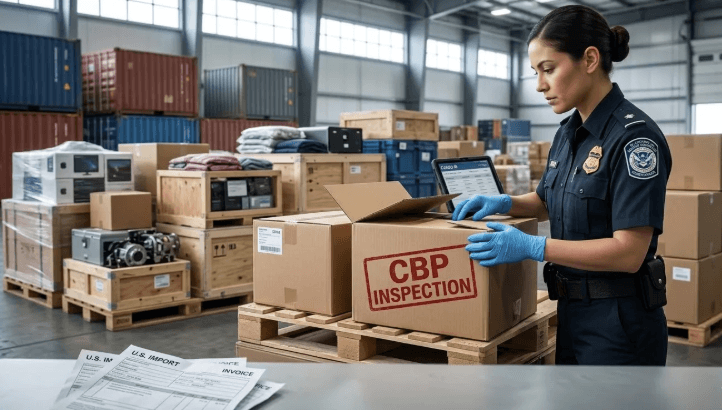

You sell online across borders, and U.S. Customs and Border Protection (CBP) directly affects how smoothly your packages move from seller to customer. CBP ecom enforces import rules, inspects shipments for safety and tariffs, and applies processes like de minimis entries that can speed low‑value parcel clearance—understanding these points helps you avoid delays and unexpected costs.
This articleCBP Ecommerce explains how CBP’s e-commerce approach touches your operations, what systems and controls you can expect at the border, and practical steps to align your listings, labels, and paperwork so parcels clear faster. Learn how to use CBP policies to protect margins and improve delivery reliability while staying compliant.
How CBP Supports Digital Commerce
CBP focuses on faster movement of low-value parcels, better risk targeting, and clearer rules for importers and platforms. You benefit from programs and tools that reduce paperwork, increase transparency, and enforce compliance where risks appear.
Streamlining Cross-Border Trade
CBP expanded the de minimis threshold and created processes to speed entry of low-value shipments, reducing delays for consumer purchases. You experience fewer formal entry requirements for many parcels when they meet de minimis rules, which lowers brokerage costs and speeds delivery.
CBP also pilots entry types and coordinated processes with carriers and brokers to handle high-volume small packages. These pilots aim to automate declarations and consolidate reporting, so carriers can clear shipments more quickly while you still get inspections when necessary.
Key practical actions you’ll notice:
- Reduced paperwork for qualifying low-value imports.
- Faster release timelines for parcel post and express shipments.
- Greater use of proven entry types to handle parcel surges.
Technological Integrations for E-Commerce
CBP integrates with commercial platforms, carriers, and customs brokers through electronic data interchange (EDI) and APIs to gain advance shipment data. When sellers or platforms transmit harmonized item-level details and buyer information, CBP can target high-risk consignments before arrival.
You benefit from initiatives that push for standardized, machine-readable data: fewer manual inspections, quicker automated decisions, and clearer traceability for returned goods. CBP’s technology focus includes risk-scoring algorithms and centralized data hubs that exchange manifest and parcel-level information.
Practical points to note:
- Expect more mandatory advance electronic data for incoming packages.
- Platforms and carriers increasingly must submit item-level descriptions and values.
- Automation reduces routine holds while preserving inspection capacity for high-risk items.
Regulatory Compliance for Online Retailers
CBP enforces trade laws on imports sold online, so you must ensure accurate classification, valuation, and country-of-origin marking. Misdeclared goods, undervaluation, or missing documentation can trigger seizures, penalties, or shipment delays.
You should implement compliance controls: accurate harmonized tariff codes, consistent invoicing, and records retention. Work with customs brokers or use CBP’s guidance and binding rulings when uncertain. For platforms, expect obligations to cooperate in providing seller and shipment data to demonstrate due diligence.
Checklist for your operations:
- Use correct HTS codes and declared values on every shipment.
- Maintain seller records and proof of provenance for at least five years.
- Respond promptly to CBP requests and use brokered entries where needed.
Best Practices for Leveraging CBP in Online Business
Focus on accurate paperwork, visibility into shipment status, and protecting buyer data when parcels cross borders. Implement concrete processes that reduce delays, cut unexpected costs, and maintain customer trust.
See also: How Trusted Company Setup Consultants Simplify Business Growth
Optimizing Customs Documentation
Use automated entry filing (ACE) for import summaries and manifest data to reduce manual errors and speed clearance. File accurate harmonized tariff codes, values, country of origin, and consignee details; mismatches trigger holds and penalties.
Create standardized commercial invoices and packing lists for each SKU. Include electronic commercial invoice (eCI) fields when your carrier supports them. Keep invoice copies and proof of payments for at least five years to meet CBP audit requirements.
Leverage Section 321 de minimis entries when applicable for shipments under the current de minimis threshold to avoid duties and simplify clearance. Track which SKUs qualify, and configure your order management system to flag or auto-route qualifying parcels.
Building Transparency in Logistics
Integrate your order management system with carriers’ APIs and CBP e-commerce portals to push shipment-level data in real time. That reduces inquiry volume and helps you identify exceptions before CBP intervention.
Provide customers with clear, itemized tracking that shows customs status and expected clearance timelines. Offer proactive notifications for holds or additional documentation requests to limit returns and negative reviews.
Partner with brokers or 3PLs experienced with CBP ecommerce rules. Define SLAs for documentation submission, entry filing, and remediation actions. Maintain a single source of truth for shipment metadata to speed investigations and claims.
Protecting Consumer Data During International Shipping
Limit personal data sent to CBP to what authorities require: name, address, and transaction value. Avoid transmitting unnecessary identifiers like social security numbers or full payment card details.
Use tokenization and encrypted APIs when sharing buyer information with carriers, brokers, and platforms. Ensure your contracts require partners to follow the same encryption standards and to purge data once regulatory retention periods end.
Document your data flows and perform periodic audits to confirm compliance with U.S. privacy laws and international data-transfer rules. Train fulfillment staff on secure handling of invoices and manifests to prevent accidental exposure of customer information.


 By
By