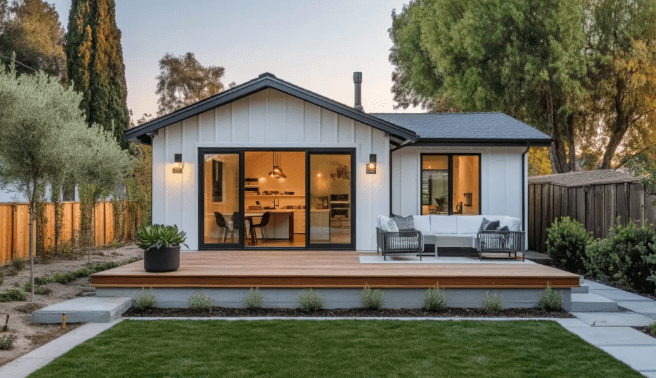

You can access grants, fee waivers, and municipal incentives in Ontario that reduce the cost of building or converting an accessory dwelling unit (ADU), but eligibility and benefits vary by program and municipality. If you want to cut construction costs and speed approvals, targeting local ADU grants and pre‑approved design programs is the fastest way to unlock financial support.
This article Adu Grants Ontario walks you through who qualifies, what documents and design rules matter, and where funding commonly comes from—municipal grants, provincial or federal initiatives, and fee reductions. Expect clear steps for applying, tips to avoid common pitfalls, and pointers to programs that offer pre‑approved ADU grants designs or sizable grants in certain cities.
Armed with this guidance, you can assess whether your property and project fit program rules, gather the right paperwork, and pursue funding that makes an ADU financially viable for your home.
Understanding Eligibility and Requirements
Most ADU grants in Ontario target owner-occupied properties, meet municipal zoning and building codes, and cover specific ADU types and eligible costs. Programs typically require proof of property ownership, municipal approvals, and that the new unit meets health, safety, and sometimes affordability rules.
Who Can Apply in Ontario
You must generally be the registered owner of the property where the ADU will be built or converted. Some municipal programs allow joint applications for multi-owner properties, but you’ll need proof of ownership from the Municipal Property Assessment Corporation (MPAC) or a current deed.
Income or property value caps can apply. For example, provincial and municipal programs sometimes limit assistance to homes under a set assessed value or to applicants below defined household income thresholds. You’ll also need to show you’re current on property taxes and not in violation of local bylaws.
You must obtain all required permits before work begins. Some grants require you to have a building permit and zoning confirmation at application time; others permit conditional approval pending permits. Check the program’s guideline PDF for exact documentation lists and timelines.
Types of ADUs Covered
Grants typically cover internal secondary suites, garden suites (detached), and coach houses, but eligibility varies by municipality. Internal suites often include basement apartments and self-contained units within the primary dwelling. Detached garden suites or laneway houses may qualify under programs that specifically support new-build accessory units.
Some programs exclude short-term rental units or ADUs intended solely for commercial use. Others prioritize units that increase affordable rental supply, accessible units, or units that meet specific energy-efficiency standards. Confirm whether the program requires the ADU to be rented at an affordable rate or occupied by a certain household type (e.g., seniors, low-income).
Eligible costs usually focus on construction, permitting fees, and accessibility upgrades. Soft costs—architectural plans, inspections, and development charges—may be eligible if the program list includes them. Review the eligible-cost schedule in the program guidelines to avoid non-reimbursable expenses.
Essential Criteria for Grant Approval
Programs commonly require municipal zoning compliance, a valid building permit, and completion of a prescribed application package. Typical documents include site plans, floor plans, contractor quotes, proof of ownership, and a timeline for construction. Missing items commonly trigger delays or denial.
Many grants require the unit to meet building-code standards, safety and habitability requirements, and sometimes energy-efficiency benchmarks. Accessible-design incentives or additional forgivable portions often require ramps, zero-step entries, wider doorways, and compliant washrooms.
Repayment or forgivable terms vary. Some grants are forgivable after a period of long-term rental or continued owner occupancy; others are low-interest loans with amortization schedules. Make sure you understand clawback provisions, occupancy restrictions, and conditions tied to property resale before accepting funds.
See also: Renovations London: Expert Home Upgrades and Property Refurbishment Advice
Funding Sources and Application Process
You can access municipal, provincial, and sometimes federal funding for ADUs in Ontario; each program has different eligibility, documentation, and timelines. Preparing accurate plans, cost estimates, and evidence of compliance speeds approval and maximizes grant or incentive amounts.
Overview of Available Government Grants
Municipal programs commonly offer grants, tax rebates, fee waivers, or low-interest loans for secondary suites, laneway houses, and garden suites. Examples include Secondary Suite Incentive Programs that may require you to rent the unit at below-market rates for a set period (often five years) to qualify for loan forgiveness or enhanced funding.
Provincial and federal funding tends to be competitive and round-based. Programs like forest-sector or housing innovation funds run periodic intake windows and target strategic objectives, so your project must match stated priorities. Check municipal program pages for ongoing, open applications and program guidelines that list eligible costs, maximum grants, and minimum eligibility.
Make a short checklist: confirm zoning allowance, note maximum grant amount, record required occupancy or affordability covenants, and identify eligible expenses (construction, inspections, permits). Early contact with local housing or planning staff clarifies what specific programs apply to your property.
How to Prepare a Successful Application
Start by downloading and reading the program guidelines and application forms thoroughly. Provide complete site plans, architectural drawings, a detailed budget, contractor quotes, and proof of property ownership or mortgage consent when required.
Document compliance: include zoning confirmations, building-permit submissions or pre-approvals, and energy- or accessibility-focused upgrades if the program rewards them. Prepare a clear timeline and cash-flow plan showing how you’ll fund costs not covered by grants. For affordability-linked programs, attach a draft rental agreement or income-certification method to show you’ll meet below-market or targeted-renter commitments.
Use a concise cover letter to summarize benefits, eligible costs, and public-good elements (for example, adding affordable housing). Missing or unclear documents are the most common reasons for delay or rejection, so cross-check your application against the program’s minimum submission requirements.
Timelines and Approval Steps
Application windows vary: some municipal incentives accept applications on an ongoing basis, while larger provincial or federal programs run competitive rounds. Expect municipal program reviews within 4–12 weeks, and competitive provincial rounds to take several months after intake closes.
Typical approval steps: pre-application consultation (optional but recommended), formal submission, administrative completeness review, technical review (plans, budgets, zoning), conditional approval with funding terms, and final approval after you submit final permits and invoices. Some programs release funds in stages—pre-construction, mid-build, and post-completion—so plan cash flow accordingly.
Track deadlines for permit issuance and occupancy certificates, since many grants require final documentation within a defined period after project completion. Keep a single folder (digital and physical) with stamped forms, receipts, invoices, and correspondence to speed final reimbursement or loan-forgiveness reviews.

 By
By