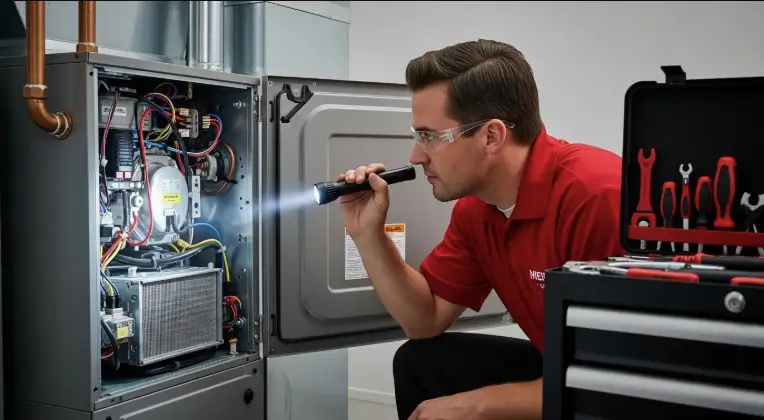

You can keep your furnace safer, more efficient, and longer‑lasting with a few simple habits that take minutes each month and one annual professional check. Change or clean your air filter regularly, inspect visible components, and schedule yearly professional maintenance to catch small issues before they become costly breakdowns.
This post Furnace Maintenancewalks through practical, do‑it‑yourself steps you can do now, when to call a pro, and how preventive actions save energy and avoid emergency repairs. Expect clear, actionable tips for filter care, basic cleaning and inspections, and guidance on what professional technicians should check during a service visit.
Essential Furnace Maintenance Tips
Focus on practical, high-impact tasks you can do or arrange with a technician to keep your furnace safe, efficient, and reliable. Each item below targets a specific component that commonly affects performance and operating cost.
Cleaning or Replacing Air Filters
Dirty filters restrict airflow, reduce efficiency, and force your furnace to work harder. Check your filter monthly during heavy use and every 3 months as a baseline.
- Replace disposable filters with the same MERV rating recommended by the furnace manufacturer.
- Washable filters need cleaning with a vacuum and warm soapy water; allow full drying before reinstalling.
- If you have pets, smokers in the home, or high dust, replace filters every 1–2 months.
- Note: A too-high MERV rating can reduce airflow; stick to the range specified for your unit.
Use a checklist: remove filter, inspect for dirt and damage, compare current MERV to recommended, and record replacement date.
Inspection of Burners and Flame Sensors
Clean burners and a healthy flame sensor ensure complete combustion and prevent ignition problems. Turn off power and gas before inspecting these parts or hire a pro if you’re not comfortable.
Visually inspect burners for rust, soot, or debris; clean with a soft brush or compressed air. Check the flame: it should be steady and blue; yellow tips signal incomplete combustion or a dirty burner. Remove and gently clean the flame sensor with fine-grit sandpaper or steel wool if the pilot won’t stay lit. After reassembly, restore power and confirm a stable ignition and normal operating sounds.
Checking and Adjusting Thermostat Settings
A properly configured thermostat controls comfort and energy use. Verify placement, schedule, and calibration.
Make sure the thermostat sits on an interior wall away from direct sunlight, vents, and doors. Use a programmable or smart thermostat to set temperature setbacks for times you’re away or asleep. Confirm the thermostat reading with a separate reliable thermometer; if the difference exceeds 1–2°F, recalibrate per the manufacturer or replace the unit. Replace batteries annually and inspect wiring for loose or corroded connections.
Examining Blower Motor and Fan
The blower motor and fan distribute heat; problems here cause poor airflow and higher bills. Regular inspection prevents motor burnout and noise issues.
Turn power off and remove the access panel. Check the blower wheel for dust buildup and clean with a brush or vacuum. Inspect motor mounts, belts (if present), and bearings for wear or looseness. Lubricate motor bearings only if the motor has service ports and the manufacturer permits it. Tighten any loose screws and test the fan at different fan-speed settings to confirm smooth, vibration-free operation. If the motor makes grinding or humming noises, schedule professional service.
See also: How Trusted Company Setup Consultants Simplify Business Growth
Preventive Actions and Professional Services
Keep your furnace efficient, safe, and reliable by combining regular professional inspections, timely recognition of warning signs, and proper combustion and ventilation checks. These actions reduce breakdowns, lower operating costs, and protect your home from safety hazards.
Scheduling Regular Professional Inspections
Have a qualified HVAC technician inspect your furnace at least once a year, ideally in early fall before heavy use. Ask for a full tune-up that includes combustion analysis, heat exchanger inspection, burner cleaning, blower and motor lubrication, filter check and replacement, flame sensor cleaning, and thermostat calibration.
Request a written checklist and service report after each visit. Verify the technician records static pressure, ignition performance, and any measured carbon monoxide (CO) levels. If your furnace is older than 10–15 years or shows performance issues, schedule inspections every six months.
Confirm the technician is licensed and insured, and ask about warranties on parts and labor. Keep receipts and service records; they help track recurring problems and support resale value if you sell the home.
Identifying Warning Signs of Furnace Trouble
Watch for these specific signs: unusual persistent noises (clanking, rattling, or continuous humming), uneven heating between rooms, rising energy bills without increased use, frequent short cycling, and visible rust or corrosion on heat exchangers or vents.
Monitor for intermittent pilot or ignition failures and any yellow or flickering pilot flame on gas units—these indicate combustion issues. Test for CO by installing a CO alarm near sleeping areas and noting any unexplained headaches, nausea, or dizziness.
If you notice any of these signs, shut down the furnace if you suspect a gas or CO leak and call an HVAC pro immediately. For electrical faults like tripped breakers or burning smells, avoid running the unit until a technician diagnoses the problem.
Ensuring Safe Combustion and Ventilation
Ensure clear combustion air supply and unobstructed venting. Inspect external vent terminals for blockages (birds, debris, or snow) and confirm flue pipes are sealed, sloped properly, and free of corrosion or gaps where exhaust could enter living spaces.
Have the technician perform a combustion efficiency test and measure CO at the draft hood and in the flue. Acceptable CO values vary by system; insist that measured values fall within manufacturer and local code limits. If tests show unsafe combustion, require immediate corrective actions such as burner tuning, heat exchanger repair or replacement, and vent realignment.
Keep the area around the furnace clear of stored items, paint cans, and flammable materials. Maintain fresh air vents and passive intake openings per local code to prevent negative pressure that can pull combustion gases into your home.


 By
By