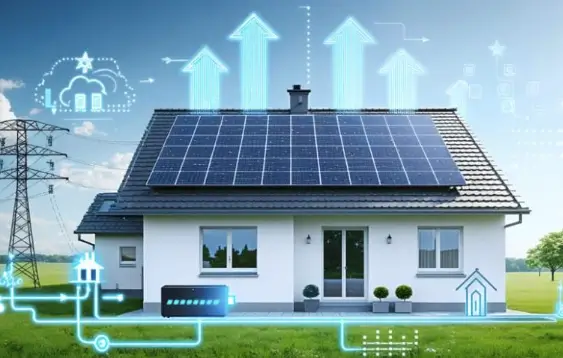

You can turn parts of your building—roof, façade, or windows—into active power generators without sacrificing design. Building integrated solar embeds photovoltaic materials into the building envelope so you get both functional cladding and on-site electricity generation, lowering energy use and simplifying installation compared with separate rooftop systems.
Explore how these systems work, what materials and designs suit different projects, and where they make the most sense economically and architecturally. The next sections break down the technical basics, real-world benefits, and practical applications so you can decide whether integrated solar fits your goals.
Fundamentals of Building Integrated Solar
You will learn what building integrated solar means, the main product types you can choose, and how these systems convert sunlight into usable electricity while serving as building materials. Focus on the system role in the building envelope, typical product forms, and key electrical and thermal interactions.
What Is Building Integrated Solar?
Building integrated solar (BIS or BIPV) embeds photovoltaic functionality into building components so those components serve both as enclosure and power generator. Instead of mounting modules on racks, you replace or cover roof tiles, façade panels, windows, or awnings with solar-capable materials that meet structural and weatherproofing requirements.
You should expect BIS to perform three roles: electricity generation, weather/thermal control, and architectural finish. BIS components must meet building codes and often require coordination with architects, structural engineers, and electrical contractors. Performance depends on orientation, tilt, shading, and the electrical balance-of-system equipment you choose.
Types of Building Integrated Photovoltaics (BIPV)
Common BIPV product categories include:
- Roof-integrated systems: solar shingles, standing-seam metal roofs with embedded cells, and glazed roof panels.
- Façade systems: curtain wall modules, cladding panels, and ventilated rainscreen elements with integrated PV.
- Glazing and windows: semi-transparent PV glass, laminated PV in spandrel panels, and dynamic shading elements with cells.
- Canopies and pergolas: load-bearing PV canopy panels and thin-film membranes used for sunshades.
Each type varies in aesthetics, module efficiency, and integration complexity. For instance, semi-transparent PV glass trades efficiency for daylighting. Roof-integrated shingles often require more precise flashing and moisture detailing. Choose the type based on roof or façade geometry, desired transparency, and maintenance access.
How Building Integrated Solar Works
BIPV uses the same PV physics as conventional modules: photons excite electrons in a semiconductor to produce DC current. Cells are laminated into building components, wired in strings, and connected to inverters to convert DC to AC for building loads or export.
You must consider thermal interactions: integrated panels can raise or lower roof surface temperatures, affecting building heating/cooling loads. Electrical considerations include string sizing, maximum power point tracking (MPPT), shading behavior, and module mismatch. Balance-of-system items—mounting details, flashings, junction boxes, wiring routes, and inverters or microinverters—determine reliability and safety. Compliance with fire, structural, and electrical codes shapes installation details and permits.
See also: AI and the Future of Personalized Technology
Benefits and Applications of Building Integrated Solar
Building-integrated solar replaces conventional building elements with power-generating materials, lowering energy consumption while preserving or enhancing design. You will find gains in energy performance, seamless architectural integration, and practical commercial and residential deployments.
Energy Efficiency Improvements
You reduce grid electricity use by generating on-site power from façades, roofs, skylights, or windows that incorporate photovoltaic cells. Expect lower monthly energy bills and smaller peak demand charges when BIPV offsets daytime loads like HVAC and lighting.
Thermal performance often improves because some BIPV products provide shading and added insulation. For example, semi-transparent BIPV glazing can cut solar heat gain while still supplying electricity, letting you lower cooling loads in summer.
System-level gains come from matched design: orienting BIPV surfaces for optimal irradiance, pairing with inverters sized to expected output, and integrating with building energy management systems. That coordination increases overall site energy efficiency more than standalone rooftop panels alone.
Architectural Integration
You maintain or enhance building aesthetics because BIPV functions as part of the envelope—roof tiles, curtain walls, balustrades, or window units replace conventional materials. You can choose from opaque modules, semi-transparent glass, or thin-film laminates to match color, texture, and light transmission requirements.
BIPV reduces cladding weight and simplifies detailing when designed early in the project. Integration can also streamline permitting since the modules serve dual structural and energy roles. Pay attention to fire-rating, waterproofing, and mounting details during design review to avoid retrofit complications.
You should involve architects, structural engineers, and MEP teams early. That coordination ensures the visual intent, structural loads, and electrical routes align with building codes and performance targets.
Commercial and Residential Use Cases
In commercial buildings, you can use BIPV on façades and atria to lower operational costs and demonstrate sustainability in tenant spaces. Retail, office towers, and hospitals benefit from daylighting control with semi-transparent modules and from demand charge reduction through rooftop-integrated arrays.
In residential projects, BIPV offers roof tiles and skylights that replace conventional materials without increasing roof footprint. Homeowners gain aesthetics and predictable production for daytime loads—especially when paired with battery storage for evening use.
For retrofits, you can select modular cladding systems or replaceable window units to add generation with minimal disruption. New construction provides the greatest value by integrating BIPV into structural and electrical planning from the start.


 By
By