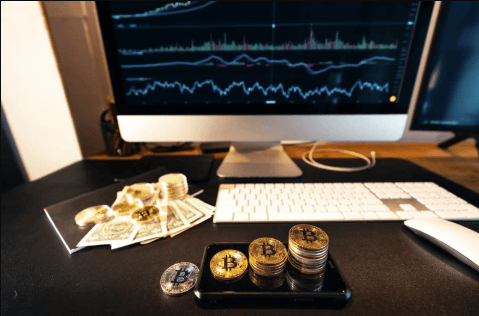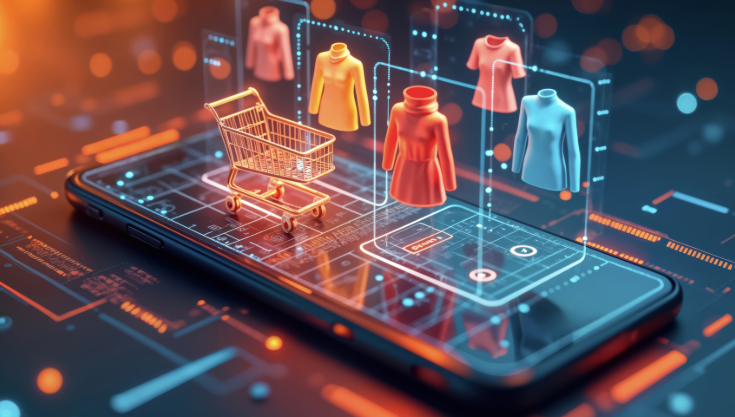

Non-Fungible Tokens (NFTs) represent a significant shift in digital ownership. They provide distinct, verifiable assets on a blockchain, unlike traditional cryptocurrencies. This technology not only ensures authenticity but also allows creators to engage directly with their audiences. The implications of NFTs extend beyond art and music, touching various industries. Understanding their mechanics and potential value raises essential questions about the future of digital assets and ownership. What lies ahead in this evolving landscape?
Understanding Non-Fungible Tokens
Although the concept of digital ownership has existed for years, non-fungible tokens (NFTs) have emerged as a revolutionary mechanism for establishing unique digital assets.
NFTs provide a framework for token uniqueness, allowing creators and collectors to assert their rights over one-of-a-kind digital items.
This paradigm shift fosters new opportunities for self-expression and economic freedom in the digital landscape, redefining traditional notions of ownership.
How NFTs Work
While many people may associate NFTs with digital art and collectibles, the underlying technology that powers these unique tokens is rooted in blockchain.
NFTs utilize smart contracts to establish and enforce digital ownership, ensuring that each token is one-of-a-kind and verifiable.
This decentralized ledger not only enhances transparency but also empowers creators and collectors by granting them control over their digital assets.
See also: AI and the Future of Personalized Technology
The Value of NFTs
The value of NFTs stems from a complex interplay of scarcity, authenticity, and community engagement.
Market dynamics play a crucial role, as demand fluctuates based on trends and cultural significance.
While some argue that NFTs possess intrinsic value through ownership and provenance, others question their longevity.
Ultimately, the worth of NFTs depends on individual perception and the evolving landscape of digital assets.
Applications and Future of NFTs
How might the applications of NFTs reshape various industries in the coming years?
NFT marketplaces are set to revolutionize creative ownership across sectors, particularly in digital art and music royalties. Artists can monetize their work directly, while virtual real estate and gaming assets offer new avenues for investment.
As these innovations unfold, they promise to empower creators and redefine traditional economic models.
Conclusion
In summary, Non-Fungible Tokens represent a paradigm shift in ownership and creativity, akin to the Renaissance’s reimagining of art’s value and accessibility. As digital landscapes evolve, NFTs forge new connections between creators and collectors, much like how the Medici patrons reshaped the art world. This innovative technology not only redefines traditional commerce but also invites speculation about its long-term implications, hinting at a future where the digital realm holds as much cultural significance as the tangible one.


 By
By