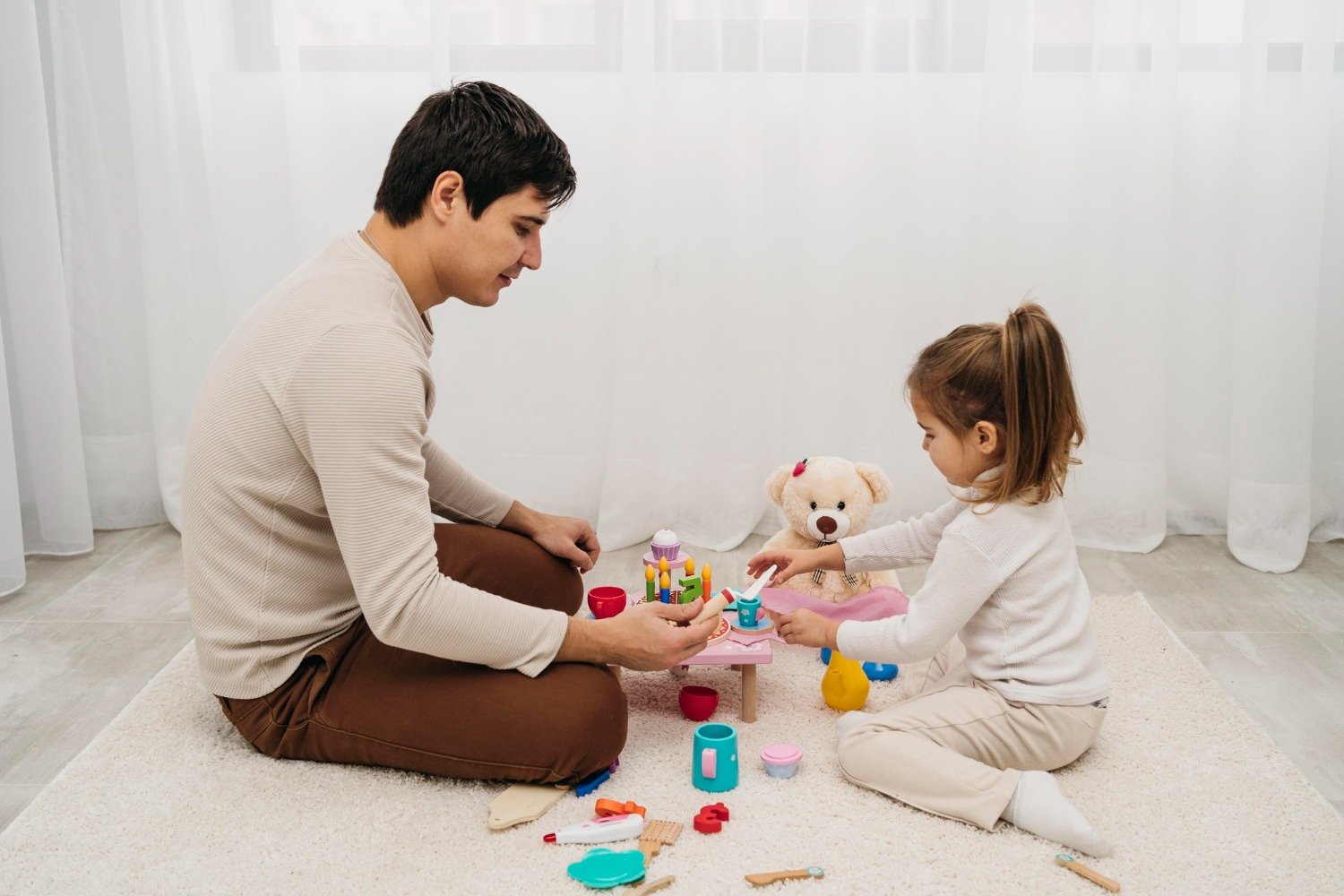

Early childhood is a critical stage in human development. During these formative years, children learn how to communicate, build relationships, regulate emotions, and understand the world around them. While adults often rely on words to express thoughts and feelings, children communicate differently. For them, play is a natural language. This is where play therapy for kids becomes a powerful tool in supporting emotional and psychological growth.
Play therapy for kids is a structured, evidence based approach that uses play as a medium to help children express themselves, process experiences, and develop coping skills. This blog explores how play therapy works, why it is effective, and the many benefits it offers in early childhood development.
What Is Play Therapy for Kids
Play therapy for kids is a therapeutic approach designed specifically for children, typically between the ages of three and twelve. It allows children to express their thoughts and emotions through toys, games, art, and imaginative activities rather than relying solely on verbal communication.
A trained therapist observes and interacts with the child in a safe and supportive environment. Through guided or non directed play, children can explore their feelings and experiences in a way that feels natural to them.
Why Play Is Essential for Child Development
Play is not just a form of entertainment. It is a fundamental part of how children learn and grow.
Key Roles of Play in Development
- Encourages creativity and imagination
- Helps develop problem solving skills
- Supports emotional expression
- Builds social and communication abilities
Play therapy for kids builds on these natural benefits by using play intentionally to support mental and emotional health.
How Play Therapy Supports Emotional Growth
Children often struggle to articulate complex emotions such as fear, sadness, or confusion. Play therapy for kids provides a safe outlet for these feelings.
Emotional Expression Through Play
Children may use toys or role playing to act out situations they have experienced. This process allows them to:
- Release built up emotions
- Gain a sense of control over their experiences
- Understand their feelings more clearly
Over time, this emotional release can lead to improved mood and reduced anxiety.
Improving Communication Skills
Communication is a key part of development, and play therapy for kids helps strengthen this ability.
How Communication Develops in Therapy
- Children learn to express needs and feelings
- Therapists model healthy communication
- Non verbal expression becomes more meaningful
As children become more comfortable expressing themselves during play, these skills often carry over into everyday interactions.
Building Stronger Social Skills
Social development is another important aspect of early childhood. Play therapy for kids can help children learn how to interact with others in positive ways.
Social Skills Gained Through Play Therapy
- Sharing and cooperation
- Understanding social cues
- Developing empathy
- Managing conflicts
These skills are essential for forming healthy relationships with peers and family members.
Helping Children Process Difficult Experiences
Children may face challenges such as family changes, loss, or stressful events. They may not fully understand these experiences or know how to cope.
Play therapy for kids allows children to process these events in a safe and supportive setting.
Benefits in Processing Experiences
- Reduces confusion and fear
- Helps children make sense of events
- Encourages emotional healing
By expressing their experiences through play, children can gradually work through difficult emotions.
Supporting Behavioral Development
Behavior is often a form of communication for children. When a child displays challenging behavior, it may be a sign of underlying emotional needs.
Play therapy for kids helps identify and address these needs.
Positive Changes in Behavior
- Reduced aggression or frustration
- Improved self control
- Better ability to follow rules
- Increased patience
As emotional issues are addressed, behavior often improves naturally.
Strengthening Parent Child Relationships
Play therapy for kids can also involve parents, helping to strengthen the bond between parent and child.
Ways Therapy Supports Families
- Teaches parents how to respond to emotional needs
- Encourages positive interaction through play
- Improves understanding of the child’s behavior
When parents are involved, the benefits of therapy can extend beyond the therapy room.
Boosting Confidence and Self Esteem
Confidence is built when children feel understood, valued, and capable. Play therapy for kids creates an environment where children can succeed and feel supported.
How Confidence Develops
- Children gain a sense of achievement through play
- They learn that their feelings are valid
- They develop trust in their abilities
This boost in self esteem can have long lasting effects on a child’s overall development.
Encouraging Creativity and Imagination
Creativity is a vital part of early childhood. Play therapy for kids encourages imaginative thinking, which supports cognitive development.
Creative Benefits
- Enhances problem solving skills
- Encourages flexible thinking
- Allows children to explore different perspectives
These skills are important not only for childhood but also for future learning.
See also: Recurring Donation Rare Disease Charity: Building Sustainable Support for Lifesaving Research
Creating a Safe and Supportive Environment
One of the most important aspects of play therapy for kids is the environment in which it takes place.
Key Features of a Safe Space
- Non judgmental atmosphere
- Consistent structure
- Access to a variety of play materials
- Supportive and trained therapist
This environment allows children to feel secure enough to explore their emotions.
When Should Parents Consider Play Therapy
Parents may consider play therapy for kids when they notice emotional or behavioral changes.
Signs That Therapy May Help
- Difficulty expressing emotions
- Sudden changes in behavior
- Trouble adjusting to life changes
- Social difficulties
- Increased anxiety or fear
Early intervention can make a significant difference in a child’s development.
Long Term Benefits of Play Therapy
The effects of play therapy for kids often extend well beyond the therapy sessions.
Lasting Outcomes
- Improved emotional regulation
- Stronger relationships
- Better coping skills
- Increased resilience
These benefits help children navigate future challenges with greater confidence.
Addressing Common Misconceptions
Some people believe that play therapy is simply playing without structure. In reality, it is a carefully guided process led by trained professionals.
Clarifying the Approach
- Play is used intentionally for therapeutic purposes
- Sessions are structured based on the child’s needs
- Progress is monitored over time
Understanding this helps parents appreciate the value of play therapy for kids.
The Role of the Therapist
The therapist plays a crucial role in guiding the process of play therapy for kids.
Responsibilities of the Therapist
- Observing behavior and emotional expression
- Providing gentle guidance when needed
- Creating a safe and supportive environment
- Helping children develop coping strategies
A skilled therapist ensures that play becomes a meaningful tool for growth.
Final Thoughts
Play therapy for kids is a powerful approach that supports early childhood development in multiple ways. By using play as a form of communication, children can express emotions, build skills, and process experiences in a natural and effective manner.
The benefits extend beyond emotional health to include social, behavioral, and cognitive development. For parents seeking a supportive way to help their child grow, play therapy offers a valuable and proven path.
Early childhood is a time of rapid growth and learning. Providing the right support during this stage can have a lasting impact, helping children develop into confident, resilient, and emotionally healthy individuals. If you would like to explore how play therapy can help your child, please contact us.


 By
By