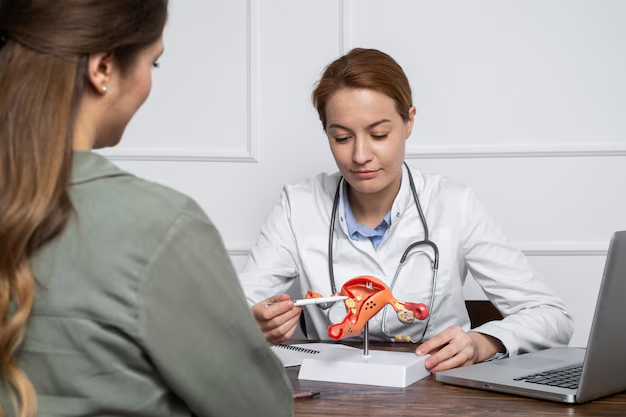

Uterine fibroids are one of the most common health concerns affecting women, and modern medical advancements have created new ways to support better reproductive wellness. Many women now explore uterine fibroid treatment options that focus on comfort, recovery, and long term health improvement. Seamless care approaches combine medical expertise, advanced techniques, and personalized attention to help women make informed decisions about their bodies. Understanding the latest developments in fibroid management can help women recognize symptoms, explore available solutions, and take proactive steps toward improved well-being.
Understanding Uterine Fibroids and Their Impact
Uterine fibroids are noncancerous growths that develop in or around the uterus. They can vary in size and location, and their effects may differ from one woman to another. Some women may experience noticeable symptoms, while others may not have any concerns at all.
Fibroids can affect daily comfort and overall quality of life. Common signs may include:
- Heavy or prolonged menstrual bleeding that impacts daily activities
- Pelvic pressure or discomfort during regular routines
- Frequent urination caused by pressure on nearby organs
- Lower back discomfort or abdominal fullness
- Challenges related to reproductive health
Because symptoms can vary, proper evaluation is important. A healthcare provider can identify the type and location of fibroids and recommend a suitable approach based on individual needs.
See also: Recurring Donation Rare Disease Charity: Building Sustainable Support for Lifesaving Research
New Trends in Fibroid Management
Healthcare has moved toward more personalized and minimally invasive approaches. Women today have access to a wider range of options designed to protect their health while reducing unnecessary disruption to their lifestyles.
Some of the latest trends include:
- Advanced imaging techniques for accurate fibroid assessment
- Personalized care plans based on symptoms and health goals
- Minimally invasive procedures with improved precision
- Focus on preserving reproductive possibilities
- Holistic support for overall wellness
These developments allow doctors and patients to work together in choosing an approach that matches each woman’s unique situation.
Minimally Invasive Approaches for Better Recovery
One of the biggest changes in fibroid care is the growth of minimally invasive procedures. These methods often use advanced technology to target fibroids while supporting surrounding healthy tissue.
Many women prefer these approaches because they may provide benefits such as:
- Smaller incisions compared to traditional surgical methods
- Reduced physical strain on the body
- Faster return to regular activities
- Improved comfort during the healing process
- More precise treatment techniques
The right procedure depends on factors such as fibroid size, location, symptoms, and future health goals. A qualified specialist can help determine which option may be most appropriate.
The Role of Lifestyle and Wellness Support
Medical care is an important part of managing fibroids, but overall wellness also plays a valuable role. Healthy habits can support the body and help women maintain better physical balance.
Helpful lifestyle practices may include:
- Maintaining a nutritious and balanced eating routine
- Staying physically active with suitable exercises
- Managing stress through relaxation techniques
- Keeping regular health appointments
- Tracking changes in symptoms over time
These steps do not replace medical guidance, but they can complement professional care and encourage healthier daily habits.
Choosing the Right Care Approach
Every woman’s experience with fibroids is different. A treatment plan that works well for one person may not be the ideal choice for another. Factors such as age, symptoms, medical history, and personal goals all influence the decision-making process.
Important considerations include:
- Understanding the type of fibroids present
- Discussing all available medical options
- Asking questions about expected outcomes
- Considering long term reproductive goals
- Working with experienced healthcare professionals
Open communication with a specialist allows women to feel more confident and informed throughout their care journey.
Why Early Attention Matters
Ignoring persistent symptoms can make it harder to understand what is happening inside the body. Seeking medical guidance early allows women to receive proper evaluation and explore supportive solutions before symptoms become more challenging.
Regular gynecological care helps with:
- Detecting changes in uterine health
- Monitoring existing fibroids
- Identifying suitable management strategies
- Supporting long term wellness
Women deserve care that respects their concerns and provides clear information about their choices.
Conclusion
Modern approaches to fibroid care continue to improve, offering women more personalized and effective ways to manage uterine health concerns. Understanding symptoms, exploring advanced medical options, and maintaining healthy habits can help women feel more in control of their wellness journey. Seamless support and expert guidance make it easier to navigate available solutions with confidence. If you want to learn more about your options or need professional assistance, contact us today for trusted guidance and personalized care.


 By
By