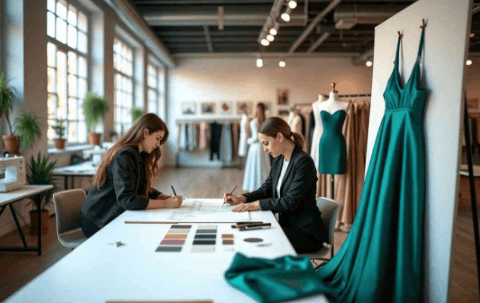

The journey of a garment from a simple sketch to the bright lights of a catwalk has traditionally been a grueling process. It involved endless yards of “muslin” prototypes, expensive shipping of samples across borders, and the constant risk of discovering a fatal fit flaw only days before a show. However, the modern fashion landscape has no room for such inefficiencies. Today, the most successful designers are trading their physical mannequins for a digital ecosystem, proving that a digital fashion workflow is no longer an option—it is a necessity.
Breaking the Physical Prototype Cycle
In a traditional setup, the “Concept to Catwalk” pipeline is often stalled by the sampling phase. A designer creates a technical drawing, a pattern maker drafts the pieces, and a sample is sewn. If the drape isn’t right, the process repeats. This cycle can take weeks and cost thousands of dollars per look.
By integrating 3D garment simulation into the workflow, this bottleneck is eliminated. Designers can now see their creations in a high-fidelity virtual environment. They can test how a heavy wool coat swings versus a light chiffon dress without ever touching a pair of scissors. This digital validation ensures that when a physical garment is finally produced, it is already perfect.
The Power of Real-Time Iteration
Creativity thrives on experimentation, but physical constraints often stifle it. In a digital workflow, the “undo” button is a designer’s greatest tool.
- Instant Fabric Swapping: Changing a collection’s color palette or fabric texture takes seconds, not days. Designers can see an entire line in multiple colorways instantly.
- Structural Adjustments: Want to change a neckline or lengthen a hem? In a simulation environment, these changes are applied in real-time, allowing for a level of creative exploration that was previously impossible due to time and budget constraints.
- Fit Accuracy: Digital avatars can be adjusted to match specific model measurements, ensuring that the “Catwalk” fit is achieved long before the model even arrives for a fitting.
Sustainability: The New Industry Standard
In 2026, sustainability is at the forefront of the fashion conversation. The traditional sampling process is one of the biggest contributors to textile waste. A single collection can result in dozens of discarded prototypes that end up in landfills.
A digital workflow is the ultimate solution for eco-conscious brands. By moving the majority of the design and approval process into a virtual space, designers can achieve “Sample-Zero” status. This doesn’t just save money; it drastically reduces the carbon footprint associated with manufacturing, dyeing, and shipping physical prototypes globally.
Streamlining Communication with Global Teams
Fashion is a global business. A designer might be in London, the fabric supplier in Italy, and the factory in Pakistan. In a traditional workflow, communication is often hampered by language barriers and “lost in translation” technical sketches.
A digital workflow provides a universal language. A 3D simulation carries all the technical data—pattern pieces, stitch types, and fabric properties. When a factory receives a 3D asset, they aren’t looking at a guess; they are looking at a digital blueprint. This transparency ensures that the final product looks exactly like the original vision, regardless of where it is manufactured.
From Digital Asset to Marketing Content
The benefits of a digital workflow extend far beyond the design room. Because the garments exist as high-quality 3D assets, they can be used for marketing long before they are physically made.
- Virtual Showrooms: Designers can present their collections to global buyers in immersive 3D environments.
- Social Media Content: High-fidelity renders and animations can be used for Instagram and TikTok campaigns to build hype before a launch.
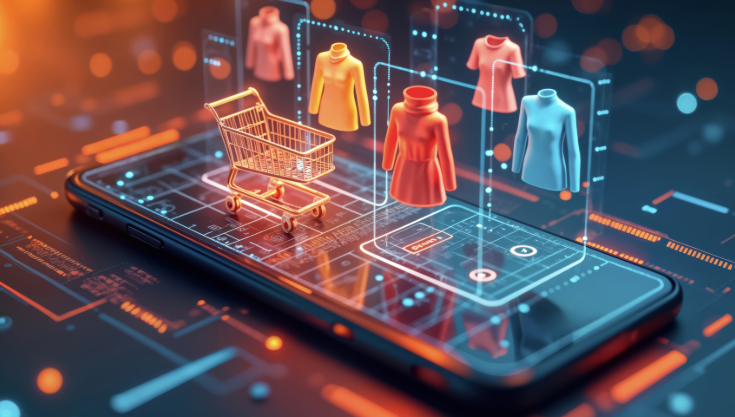
- E-commerce Ready: These same 3D assets can be pushed directly to online stores for virtual try-ons, bridging the gap between the catwalk and the consumer.
See also: Copper Stock Outlook: Strategic Investment Guide and Market Drivers
The Competitive Edge in a Fast-Paced Market
The fashion calendar is moving faster than ever. Trends emerge and disappear within weeks. Designers who rely on slow, physical-only workflows are finding it impossible to keep up. A digital-first approach allows for “Agile Fashion”—the ability to respond to market trends, iterate designs, and move to production with unprecedented speed.
Conclusion
The shift from a manual to a digital fashion workflow is a fundamental reimagining of the creative process. It empowers designers to be more daring, more efficient, and more sustainable.
As technology like Style3D AI continues to blur the line between the virtual and the physical, the catwalk of the future will be built on a foundation of pixels and data. For the modern designer, the choice is clear: embrace the digital revolution or get left behind in the archives of fashion history. The path from concept to catwalk is now digital, and it is more vibrant than ever.


 By
By